The Future of Barcodes: Innovations to Watch
- Mike Talbot
- 40 minutes ago
- 4 min read

In a world where technology evolves at lightning speed, the barcode system is undergoing a transformation that promises to enhance efficiency and accuracy across various industries. Barcodes, once simple black-and-white patterns, are now evolving into sophisticated tools that can do much more than just store product information. This blog post explores the future of barcodes, highlighting the innovations that are set to change the way we interact with products and services.

The Evolution of Barcodes
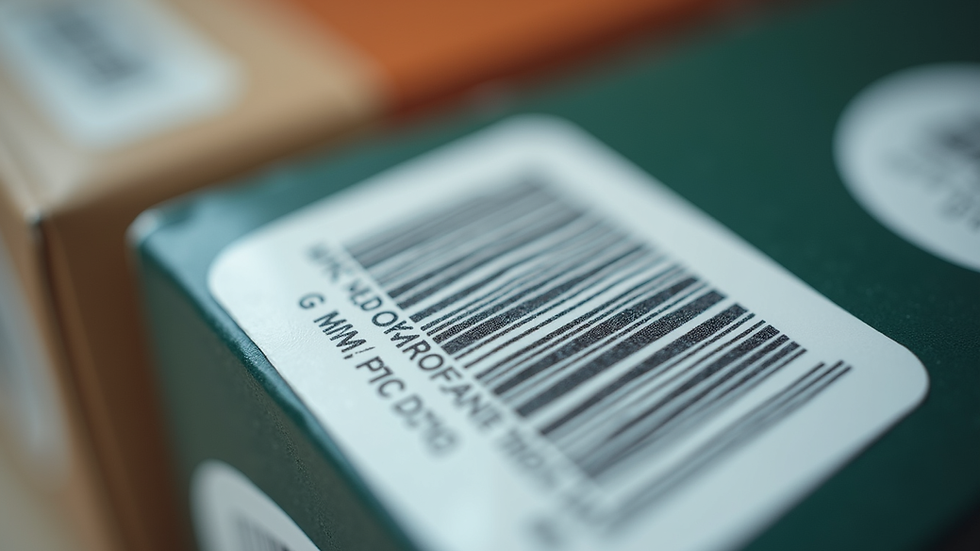
Barcodes have been around since the 1950s, primarily used for inventory management and tracking. The traditional one-dimensional (1D) barcodes, consisting of parallel lines, have served their purpose well. However, as consumer demands and technological capabilities have advanced, the limitations of 1D barcodes have become apparent.
From 1D to 2D Barcodes
The introduction of two-dimensional (2D) barcodes, such as QR codes, marked a significant leap forward. Unlike their 1D counterparts, 2D barcodes can store a vast amount of information, including URLs, product details, and even multimedia content. This capability has opened up new avenues for marketing and customer engagement. For example, a customer can scan a QR code on a product to access a video tutorial or promotional offer, enhancing their shopping experience.
The Rise of Smart Barcodes
Smart barcodes are another innovation on the horizon. These barcodes incorporate technologies like NFC (Near Field Communication) and RFID (Radio Frequency Identification), allowing for real-time data exchange. Smart barcodes can provide instant access to product information, track inventory levels, and even facilitate contactless payments. This technology is particularly beneficial in sectors like retail, healthcare, and logistics, where speed and accuracy are paramount.
Innovations to Watch
As we look to the future, several key innovations in barcode technology are worth noting. These advancements promise to reshape industries and improve the way we interact with products.
Enhanced Data Capacity
One of the most significant trends is the development of barcodes with enhanced data capacity. New formats, such as Data Matrix and PDF417, can store much more information than traditional barcodes. This increase in capacity allows businesses to include detailed product information, expiration dates, and even batch numbers, all in a single scan.
Integration with IoT
The Internet of Things (IoT) is set to revolutionize barcode technology. By integrating barcodes with IoT devices, businesses can create a seamless flow of information. For instance, a smart fridge could scan barcodes on food items to monitor expiration dates and suggest recipes based on available ingredients. This integration not only enhances user experience but also promotes sustainability by reducing food waste.
Blockchain and Barcodes
Blockchain technology is making its way into the barcode landscape, providing a secure and transparent way to track products throughout the supply chain. By linking barcodes to blockchain, businesses can ensure the authenticity of products, reduce fraud, and enhance traceability. This is particularly crucial in industries like pharmaceuticals and food, where safety and compliance are paramount.
Augmented Reality (AR) and Barcodes
Augmented reality is another exciting frontier for barcode technology. Imagine scanning a barcode with your smartphone and instantly seeing a 3D model of the product, complete with interactive features. This could revolutionize the shopping experience, allowing customers to visualize products in their own space before making a purchase. Retailers can use AR to provide additional information, such as customer reviews or usage tips, enhancing the overall shopping experience.
Real-World Applications
To understand the impact of these innovations, let’s explore some real-world applications of advanced barcode technology.
Retail Revolution
In the retail sector, companies are leveraging smart barcodes to streamline operations. For example, Walmart has implemented RFID technology to improve inventory management. By using RFID-enabled barcodes, Walmart can track products in real-time, reducing stockouts and ensuring that shelves are always stocked. This not only enhances customer satisfaction but also improves operational efficiency.
Healthcare Advancements
In healthcare, barcodes play a crucial role in patient safety and medication management. Hospitals are adopting 2D barcodes to track medications and ensure accurate dispensing. For instance, a nurse can scan a patient’s wristband and the medication barcode to verify that the right patient receives the correct medication at the right time. This technology significantly reduces the risk of medication errors, ultimately saving lives.
Logistics and Supply Chain
The logistics industry is also benefiting from barcode innovations. Companies like Amazon are using advanced barcode systems to optimize their supply chain operations. By implementing smart barcodes, Amazon can track packages in real-time, ensuring timely deliveries and reducing operational costs. This level of efficiency is essential in today’s fast-paced e-commerce environment.
Challenges and Considerations
While the future of barcodes is promising, there are challenges that businesses must address.
Standardization Issues
As new barcode technologies emerge, standardization becomes a critical concern. Without universally accepted standards, interoperability between different systems can become problematic. Businesses must work together to establish common standards that facilitate seamless communication across platforms.
Security Concerns
With the integration of IoT and blockchain, security becomes paramount. Businesses must ensure that their barcode systems are secure from cyber threats. Implementing robust security measures, such as encryption and authentication protocols, is essential to protect sensitive data.
Adoption Barriers
Finally, the adoption of advanced barcode technologies may face resistance from some businesses. The initial investment in new systems and training can be daunting. However, the long-term benefits, including increased efficiency and improved customer experiences, often outweigh the initial costs.
Conclusion
The future of barcodes is bright, with innovations that promise to enhance efficiency, accuracy, and customer engagement across various industries. From enhanced data capacity to the integration of IoT and blockchain, these advancements are set to revolutionize the way we interact with products and services.
As businesses navigate the challenges of standardization, security, and adoption, the potential for barcodes to transform industries is immense. Embracing these innovations will not only improve operational efficiency but also create a more engaging and informative experience for consumers.
As we move forward, staying informed about these trends will be crucial for businesses looking to leverage barcode technology effectively. The future is here, and it’s time to scan ahead.
Comments